Source residential mini led fridge bulb for Home, Office, Retail
Compare 30 residential mini led fridge bulb options from verified Chinese manufacturers. Buyers can evaluate wattage, voltage, and certifications like CE and RoHS for residential applications. These units feature aluminum alloy construction, support dimming, and offer lifespans up to 30,000 hours with various color temperatures available for different lighting needs.
Key considerations
Products List


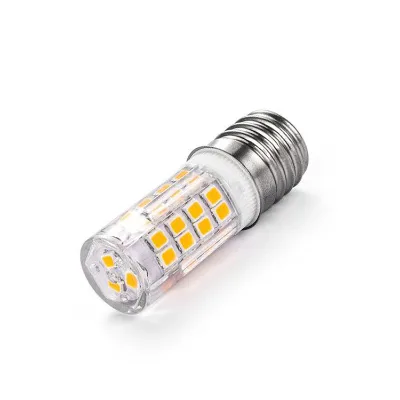


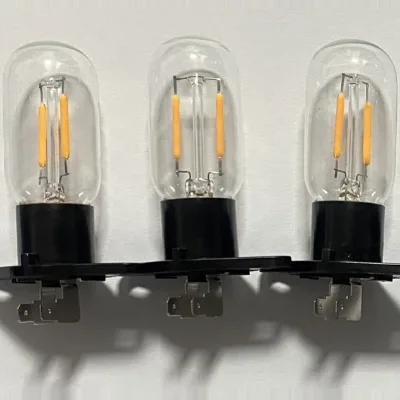
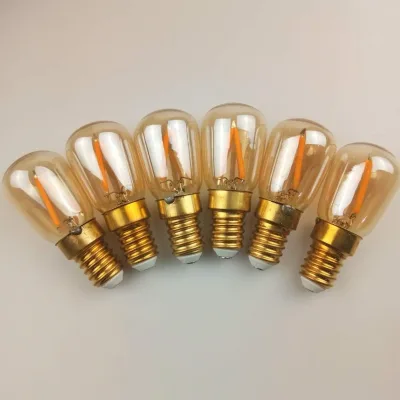
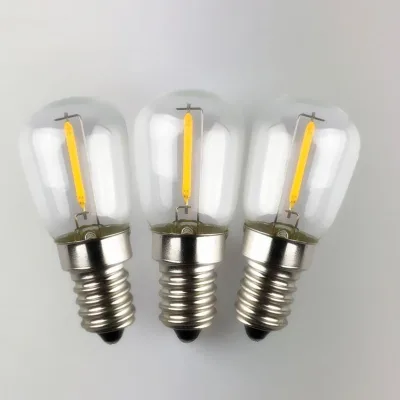
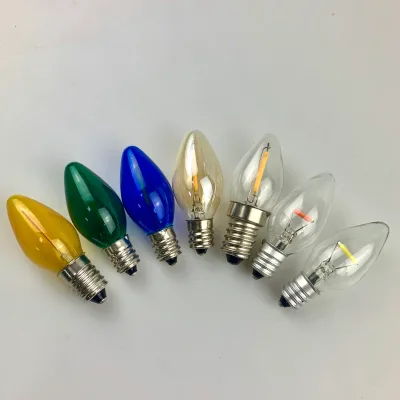


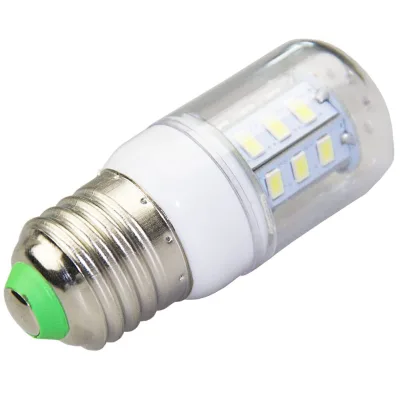
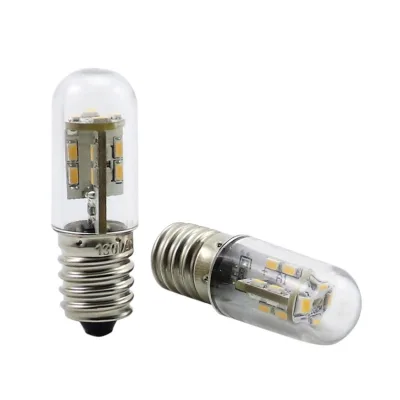
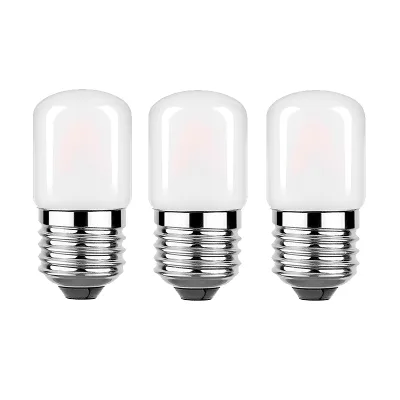
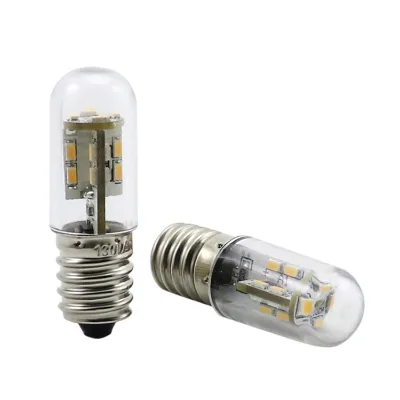
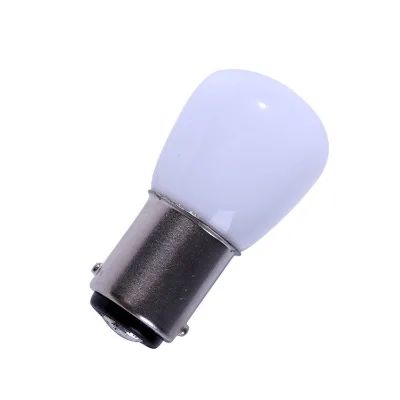
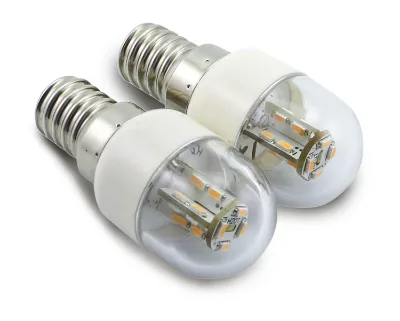
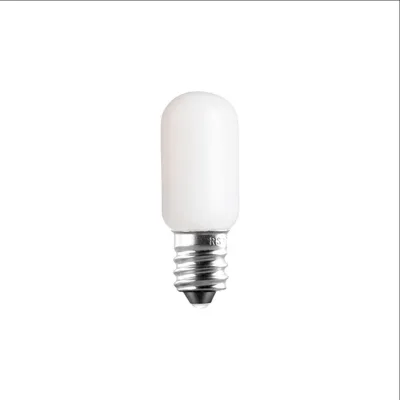


Comprehensive Sourcing Guide
Residential Mini LED Fridge Bulb Sourcing Guide
Procuring lighting for residential mini LED fridges requires distinguishing between general landscape accent lights and specialized internal illumination. The observed market data indicates a diverse range of products, including high-power LED units with IP ratings suitable for specific environments, though many listed items are designed for outdoor landscape use rather than enclosed appliance interiors. Buyers must carefully cross-reference the intended application, as some listed wattages and voltage ranges like 220-240V or 85-265V may not align with the specific low-voltage or compact requirements of modern mini-fridge designs without additional driver modifications.
When evaluating listings, the presence of specific model numbers like T26 or G4/G9 suggests a variety of form factors, yet the "residential mini fridge" application demands strict adherence to size and heat dissipation constraints. While some products feature aluminum alloy construction and long lifespans up to 30,000 hours, others are described with sensor switches or free-standing installation modes that are irrelevant for internal fridge mounting. Sourcing success depends on filtering out general-purpose lighting intended for landscape accent or spot lighting to find components that fit the compact, single-door, or manual defrost environments typical of these appliances.
Product Scope and Observed Listing Signals
The current market inventory reveals a wide spectrum of LED specifications, with wattages ranging from 2W to 8.5W and color temperatures including 2700K soft warm white or cold white options. This variability presents a challenge for standardization, as a single fridge model may require a specific luminous flux, such as the observed 330 lumens, to ensure adequate visibility without generating excessive heat. Buyers should scrutinize the "Emitting Color" and "Color" attributes, noting that while some units offer optional colors, internal fridge lighting typically requires consistent white output to maintain food quality perception.
Listing signals also highlight diverse base types, including E17 and E14 equivalents, which must match the physical socket of the target appliance. The data shows products with varying voltage inputs, such as AC110V, AC120V, or AC230V, necessitating a precise match to the local grid or the fridge's internal transformer output. Furthermore, the presence of "Sensor" switch modes and "Free-Standing" installation types in the data suggests that many available units are not designed for the fixed, manual-switch environment of a refrigerator, requiring buyers to explicitly verify the absence of motion sensors or external mounting requirements.
Technical Specifications to Verify
Voltage compatibility is the most critical technical parameter, as the observed data lists multiple ranges including 110-130V, 220-240V, and 85-265V. A mismatch here can lead to immediate failure or safety hazards, so buyers must confirm the exact input voltage required by the specific mini-fridge model before ordering. Additionally, the power consumption, observed between 3W and 8.5W, must be balanced against the thermal output; higher wattage LEDs in a confined space can raise internal temperatures, potentially affecting food preservation efficiency and compressor workload.
Luminous efficiency and color rendering are equally vital for user experience, with observed values like 110 lm/W and CRI ratings above 80 or 85. These metrics ensure that food items appear natural and that the light is energy-efficient, reducing the overall power draw of the appliance. Buyers should also verify the working temperature range, as units rated for -20°C to 44°C are suitable for the cold environment, whereas standard room-temperature LEDs might fail to start or flicker in the low-temperature conditions inside a fridge.
Compliance and Safety Documentation
Safety certifications are non-negotiable for electrical components used in food storage appliances, and the observed listings frequently cite CE, RoHS, ERP, EMC, and LVD standards. These certifications indicate that the product meets European safety and environmental requirements, which is essential for importing into regulated markets. However, buyers must ensure that the specific certification documents provided for the batch cover the exact model and voltage configuration being purchased, as generic certification claims do not guarantee compliance for every variation in the product line.
In addition to general safety marks, the presence of CB certification suggests a broader international acceptance of the safety standards, which can streamline customs clearance. It is crucial to verify that the "RoHS" compliance extends to the specific materials used, such as the aluminum alloy housing or the LED chips, to ensure no hazardous substances are present that could contaminate the food storage environment. Documentation should explicitly state the conformity of the product to the relevant electrical safety directives for the destination country.
Cost Drivers and Commercial Terms
The observed price range of 0.15 to 200 USD reflects significant variation based on wattage, build quality, and certification depth. Lower-cost units often lack the robust heat dissipation features or high CRI ratings required for premium applications, while higher-priced items may include specialized drivers or longer warranty periods. Buyers should analyze the cost per lumen rather than just the unit price to determine the true value, ensuring that the investment yields sufficient brightness and longevity for the specific residential application.
Minimum Order Quantities (MOQ) observed between 5 and 50,000 units allow for flexibility but also dictate the economic viability of the purchase. Small orders may incur higher per-unit costs due to setup fees, whereas bulk purchases can leverage economies of scale but require significant storage capacity. The warranty terms, typically observed as 2 years, should be clearly defined in the commercial contract, specifying whether it covers the LED driver, the light source, or the entire assembly, as this impacts the total cost of ownership and risk management.
Supplier Qualification and Quality Control
Supplier qualification should focus on the origin of the product, with the majority of observed listings originating from Guangdong, China, a major hub for LED manufacturing. Buyers must verify the supplier's ability to provide consistent quality control, as the data shows a mix of models like T26 and G4/G9 that may come from different production lines. It is essential to request samples that match the exact specifications, including the base type and voltage, to test for fitment and performance before committing to a larger order.
Quality control processes must include testing for thermal performance and electrical stability, as the working temperature range and voltage tolerance are critical for reliability. Suppliers should demonstrate their ability to maintain the observed lifespan of 30,000 hours under actual operating conditions, not just in idealized test environments. Additionally, verifying the packaging standards, such as the use of color boxes, ensures that the products arrive without damage, which is particularly important for fragile components like LED chips and drivers.
Long-Term Procurement Checks
Long-term procurement success relies on monitoring the consistency of the product attributes over time, as supply chain shifts can alter specifications like the CRI or voltage tolerance. Buyers should establish a protocol for periodic re-testing of incoming batches to ensure that the observed 2-year warranty and 30,000-hour lifespan claims remain valid. This proactive approach helps identify any drift in quality that could lead to premature failures or increased maintenance costs in the field.
Finally, maintaining a relationship with the supplier for potential customization is key, as the observed data confirms that customization is available. As product designs evolve or specific residential needs change, the ability to adjust wattage, color temperature, or base type can provide a competitive advantage. Buyers should document all technical agreements and warranty terms in writing to ensure that any future modifications or replacements are handled smoothly, securing a reliable supply chain for their residential mini LED fridge bulb requirements.
FAQs
What certifications do residential mini led fridge bulbs have?
These bulbs typically carry CE, RoHS, ERP, EMC, and LVD certifications. Some models also include CB certification. These standards ensure safety and compliance for electrical products used in residential settings and commercial applications.
Which voltage options are available for these LED bulbs?
Available voltage ranges include 85-265V, 175-265V, and specific 220-240V or 110-130V options. This wide input voltage range allows the bulbs to operate reliably in different regions without requiring additional transformers or adapters.
Can these bulbs be customized for specific needs?
Yes, customization is available for these products. Buyers can request specific modifications to meet unique requirements. This flexibility supports diverse application needs while maintaining the core performance standards of the LED technology used.
What is the expected lifespan of these LED bulbs?
The expected lifespan is approximately 30,000 hours. This long operational life reduces replacement frequency and maintenance costs. It ensures reliable illumination for extended periods in residential and commercial lighting environments.
How is the color rendering index rated for these bulbs?
The Color Rendering Index is rated above 80, with some models reaching 85. This ensures accurate color representation for objects illuminated by the light. It is suitable for applications where color fidelity is important.
What wattage options are offered for these LED bulbs?
Wattage options range from 2W up to 8.5W, including 4W, 5W, 6W, 7W, and 8W. This variety allows users to select the appropriate brightness level for their specific lighting needs and energy efficiency goals.
Where are these residential mini LED bulbs manufactured?
These bulbs are manufactured in China, specifically in the Guangdong region. The origin ensures access to established supply chains and manufacturing capabilities. Products are packed in color boxes for safe transport.